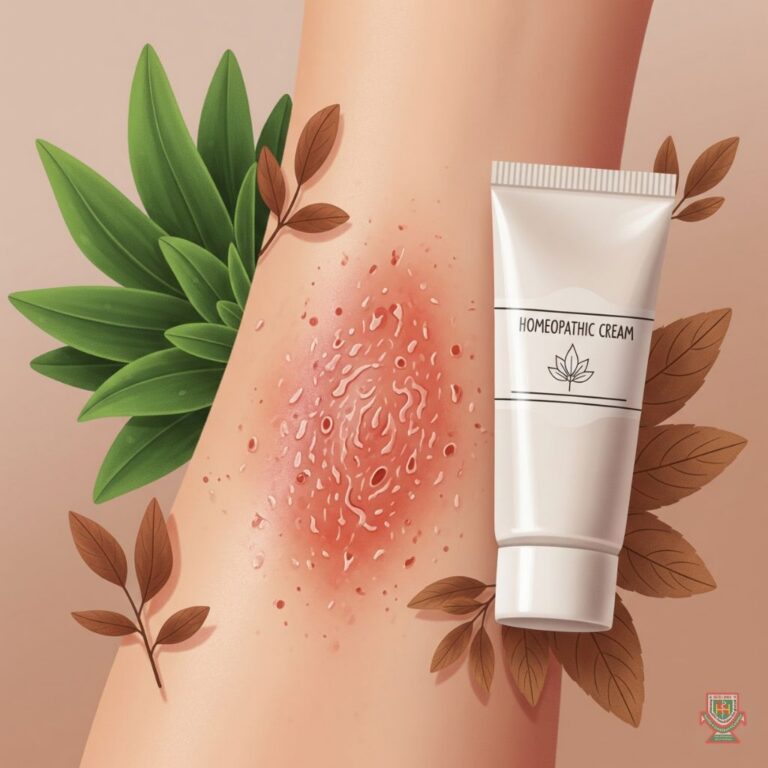
Dermatitis is a general term for skin inflammation. It can have many causes and occurs in many forms, but it usually involves an itchy, dry rash on swollen, reddened skin. In some cases, the skin may blister, ooze, or flake off. Living with dermatitis can be physically uncomfortable and emotionally distressing.
At Homoeopathic Foundation Bangladesh, we offer a holistic approach to treating dermatitis. Instead of just suppressing the itch with steroid creams, our treatment focuses on addressing the root cause of the inflammation, whether it’s an allergy, an immune system imbalance, or a genetic predisposition.
Understanding the Types of Dermatitis
There are several common types of dermatitis, and we provide treatment for all of them:
- Atopic Dermatitis (Eczema): This is the most common type, especially in children. It’s a chronic condition linked to a personal or family history of allergies (like asthma or hay fever). It causes an intensely itchy, red, and often dry rash, typically in the creases of the elbows and knees.
- Contact Dermatitis: This occurs when your skin comes into direct contact with a substance that either irritates it or causes an allergic reaction.
- Irritant Contact Dermatitis: Caused by contact with substances like harsh soaps, detergents, or chemicals.
- Allergic Contact Dermatitis: Caused by an allergic reaction to substances like nickel (in jewelry), poison ivy, latex, or fragrances.
- Seborrheic Dermatitis: This type causes scaly patches, red skin, and stubborn dandruff. It mainly affects oily areas of the body, such as the scalp, face, sides of the nose, eyebrows, ears, and chest. In infants, it’s known as “”cradle cap.””
- Nummular (Discoid) Dermatitis: Characterized by distinct, coin-shaped itchy spots on the skin.
- Stasis Dermatitis: Occurs in people with poor circulation in their lower legs, leading to swelling, skin discoloration, and potential sores.
Causes and Triggers
The cause depends on the type of dermatitis but often involves a combination of factors:
- Genetics: A family history of eczema, allergies, or asthma is a major risk factor for atopic dermatitis.
- Immune System Function: An overactive immune system plays a key role in atopic and allergic contact dermatitis.
- Environmental Triggers: Exposure to allergens (dust, pollen), irritants (soaps, chemicals), dry weather, and certain foods can cause flare-ups.
- Stress: While not a direct cause, stress is a well-known trigger that can worsen dermatitis.
Symptoms
While symptoms vary by type, common signs include:
- Itching (pruritus), which can be severe.
- Red, inflamed rash.
- Dry, cracked, or scaly skin.
- Small, raised bumps, which may leak fluid and crust over when scratched.
- Swelling, burning, or tenderness.
The Homeopathic Approach for Dermatitis
Conventional treatment often involves moisturizers and corticosteroid creams to control inflammation. While useful for short-term relief, long-term steroid use can thin the skin and suppressing the rash can sometimes lead to other health issues.
Homeopathy offers a deeper, more curative approach:
- Correcting the Root Cause: Our primary goal is to address the underlying hypersensitivity of the immune system. We select a constitutional remedy based on your complete case history to bring your immune system back into balance.
- Relieving the Itch and Inflammation: We prescribe specific remedies based on the exact nature of your rash and the type of itching (e.g., burning, stinging, better with cold/hot application) to provide effective symptomatic relief.
- Reducing Flare-ups: By treating the root cause, homeopathy reduces your sensitivity to triggers, leading to fewer and less severe flare-ups over time.
- Healing the Skin: The treatment supports the skin’s natural healing process, helping to repair dryness and cracking.
Benefits of Homeopathy
- Long-Lasting Relief: Aims to cure the tendency to have dermatitis, not just pacify the current rash.
- Safe and Gentle: No risk of side effects like skin thinning associated with long-term steroid use. It is very safe for infants and children.
- Holistic Treatment: Also addresses associated conditions like allergies and asthma.
- Reduces Dependency on Creams: The goal is healthy skin that doesn’t require constant application of external products.
Diet and Lifestyle for Healthy Skin
- Moisturize Regularly: Apply a thick, unscented moisturizer to damp skin after bathing to lock in moisture.
- Identify and Avoid Triggers: Keep a diary to identify foods, soaps, or environmental factors that worsen your rash.
- Take Lukewarm Baths: Avoid long, hot showers, which can dry out the skin.
- Use Gentle Soaps: Choose mild, fragrance-free cleansers.
- Don’t Scratch: Scratching damages the skin and can lead to infection. Keep nails short and consider wearing cotton gloves at night.
- Wear Soft Fabrics: Choose soft, breathable fabrics like cotton. Avoid wool and scratchy materials.
FAQs
Can homeopathy cure eczema completely?
Yes, homeopathy has a very high success rate in treating eczema, especially in children. By correcting the underlying immune dysfunction, it can provide a lasting cure in many cases.
How long will the treatment take?
For chronic conditions like atopic dermatitis, treatment is a process. You may see a reduction in itching and inflammation within a few months, with continued improvement over time. Acute contact dermatitis can resolve much more quickly.
Is it safe to use homeopathic medicines for my baby’s dermatitis?
Absolutely. Homeopathy is one of the safest and most effective treatment options for infant eczema and cradle cap, as it avoids the use of strong chemicals on their delicate skin.
Conclusion
You don’t have to live with the constant cycle of itching and inflammation. The homeopathic treatment for dermatitis at Homoeopathic Foundation Bangladesh offers a safe, deep-acting, and effective way to heal your skin from the inside out and reclaim your comfort and confidence.
Take the first step towards healthy, itch-free skin. Book a consultation today.