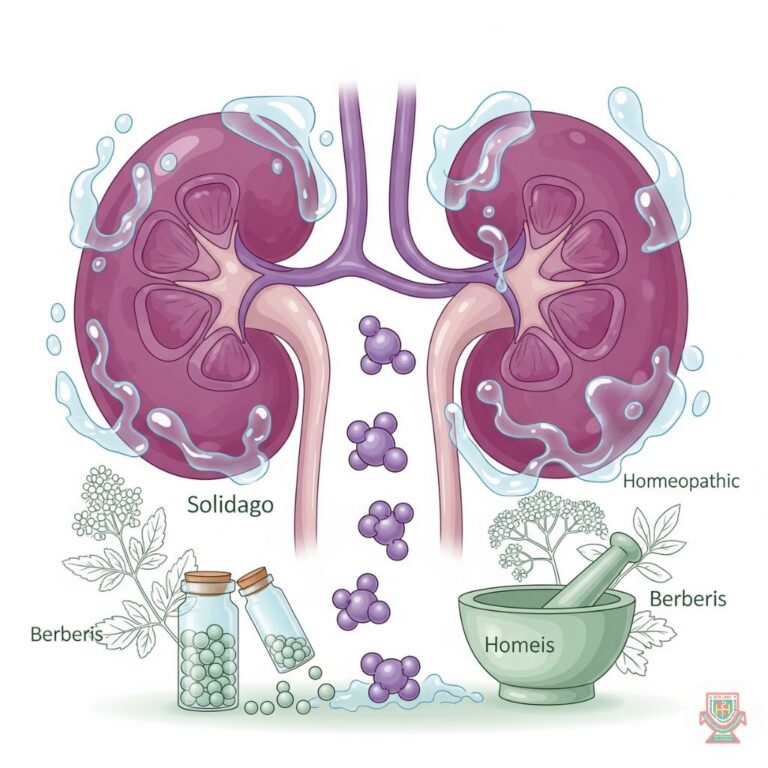
Nephrotic syndrome is a kidney disorder characterized by a group of symptoms that indicate your kidneys are not working properly. The primary issue is damage to the glomeruli (the tiny filtering units in the kidneys), which causes them to leak large amounts of protein from the blood into the urine.
This heavy protein loss triggers a cascade of problems, including severe swelling, high cholesterol, and an increased risk of infections and blood clots. At Homoeopathic Foundation Bangladesh, we offer a holistic and individualised homeopathic approach to manage nephrotic syndrome, aiming to treat the underlying cause and restore balance to the body.
What is Nephrotic Syndrome?
Nephrotic syndrome is not a single disease but a collection of signs and symptoms that point to kidney damage. The key features include:
- Heavy Proteinuria: Excreting more than 3.5 grams of protein in the urine per day. This is what makes the urine appear very foamy.
- Hypoalbuminemia: Low levels of a protein called albumin in the blood, due to it being lost in the urine.
- Oedema: Severe swelling, typically around the eyes, and in the ankles, feet, and legs. In severe cases, fluid can accumulate in the abdomen (ascites) or around the lungs (pleural effusion).
- Hyperlipidemia: High levels of cholesterol and other fats in the blood, as the liver tries to compensate for the protein loss.
Causes of Nephrotic Syndrome
Nephrotic syndrome can be caused by conditions that damage the glomeruli. These can be:
Primary Causes (Diseases limited to the kidney):
- Minimal Change Disease (MCD): The most common cause in children. Kidney tissue appears normal under a regular microscope, but damage is visible with an electron microscope.
- Focal Segmental Glomerulosclerosis (FSGS): Characterized by scarring in some parts of the glomeruli.
- Membranous Nephropathy: The membranes of the glomeruli become thickened.
Secondary Causes (Diseases that affect the whole body):
- Diabetes: A common cause of nephrotic syndrome in adults.
- Lupus (SLE): An autoimmune disease that can attack the kidneys.
- Infections: Such as hepatitis B, hepatitis C, and HIV.
- Certain Medications: Like nonsteroidal anti-inflammatory drugs (NSAIDs).
Symptoms
The most prominent symptoms of nephrotic syndrome are:
- Severe swelling (oedema), especially around the eyes in the morning and in the legs and ankles as the day progresses.
- Foamy or frothy urine.
- Weight gain due to excess fluid retention.
- Fatigue and a general feeling of being unwell.
- Loss of appetite.
Diagnosis
The diagnosis is based on a combination of:
- Urine Tests: To confirm heavy proteinuria.
- Blood Tests: To check for low albumin levels, high cholesterol, and to assess kidney function (creatinine and eGFR).
- Kidney Biopsy: Often necessary, especially in adults, to determine the exact cause of the glomerular damage.
The Homeopathic Approach for Nephrotic Syndrome
Conventional treatment usually involves corticosteroids (steroids) and other immunosuppressive drugs to control the inflammation and protein leakage. While often effective, these can have serious side effects and relapses are common.
Homeopathy offers a safe, gentle, and effective approach that can be used alongside or as an alternative in some cases. Our treatment aims to:
- Control Protein Leakage: By targeting the underlying inflammation and damage in the glomeruli to reduce proteinuria.
- Regulate the Immune System: Especially in cases like Minimal Change Disease, homeopathy works to correct the faulty immune response, reducing the chances of relapse.
- Manage Oedema: Using natural diuretic remedies to help the body eliminate excess fluid and reduce swelling.
- Address the Root Cause: A deep-acting constitutional remedy is selected to treat the patient’s individual susceptibility and underlying health condition.
- Reduce Steroid Dependency: For patients who are on steroids, homeopathy can help maintain remission, allowing for a gradual and safe reduction in steroid dosage under the supervision of their primary doctor.
Benefits of Homeopathy
- Reduces Relapses: Aims to provide long-term stability and decrease the frequency of flare-ups.
- Safe and No Side Effects: Avoids the adverse effects of long-term steroid use, such as weight gain, high blood sugar, and bone thinning.
- Effective for Children: It is an extremely safe and gentle treatment for Minimal Change Disease, the most common cause in children.
- Holistic Improvement: Improves the overall health, energy, and appetite of the patient.
Diet and Lifestyle
- Low-Sodium Diet: This is the most important step to help control oedema and blood pressure.
- Moderate Protein Diet: A diet that is neither too high nor too low in protein is usually recommended.
- Low-Fat Diet: To help manage high cholesterol levels.
- Fluid Restriction: May be necessary during periods of severe swelling.
FAQs
Can homeopathy treat all types of nephrotic syndrome?
Homeopathy can be very effective, especially for Minimal Change Disease and in providing supportive care for other types like FSGS and membranous nephropathy. The success depends on the specific cause and the degree of existing kidney damage.
Can my child avoid steroids with homeopathic treatment?
For many children with MCD, homeopathic treatment can be very effective on its own, potentially avoiding the need for steroids altogether. For those already on steroids, it can help reduce the dose and prevent relapses. This should always be done in consultation with a paediatric nephrologist.
How long does the treatment take?
Response varies. Improvement in swelling can be seen relatively quickly. A reduction in proteinuria and achieving stable remission can take several months of consistent treatment.
Conclusion
Nephrotic syndrome is a complex condition that requires careful and comprehensive management. The homeopathic treatment for nephrotic syndrome at Homoeopathic Foundation Bangladesh offers a safe and effective way to control symptoms, reduce relapses, and support long-term kidney health, especially for children.
Take a step towards a healthier future. Contact us for a personalised consultation with our experienced homeopathic doctors.