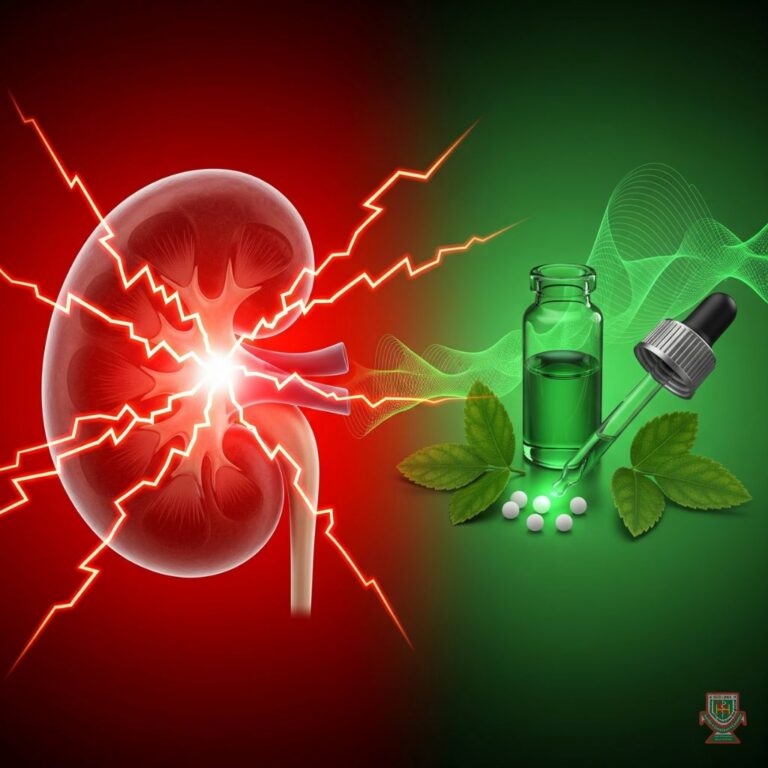
Acute Kidney Injury (AKI) is a sudden episode of kidney damage or failure that happens within a few hours or a few days. AKI causes a build-up of waste products in your blood and makes it hard for your kidneys to keep the right balance of fluid in your body. It is a serious condition that requires immediate medical intervention.
At Homoeopathic Foundation Bangladesh, we understand the urgency of AKI. Our homeopathic treatment is administered as a supportive therapy alongside primary emergency care to help speed up recovery, restore kidney function, and reduce the chances of lasting damage.
What is the Difference Between AKI and AKD?
- Acute Kidney Injury (AKI): The injury and decline in function happen very rapidly, over less than 7 days. It is the most urgent phase.
- Acute Kidney Disease (AKD): This term is used when kidney dysfunction persists for 7 to 90 days after the initial injury. It represents a subacute phase of recovery or ongoing damage.
- Chronic Kidney Disease (CKD): Kidney damage that lasts for more than 90 days.
Homeopathy can play a supportive role in all stages, but its primary role in AKI is to aid recovery after the immediate medical crisis is stabilized.
Causes of Acute Kidney Injury
AKI is generally caused by factors that suddenly impact the kidneys. These are the same as for Acute Kidney Disease:
- Reduced Blood Flow: Severe dehydration, major blood loss, shock, or heart failure.
- Direct Kidney Damage: Sepsis (a severe body-wide infection), toxic medications (certain antibiotics, NSAIDs), contrast dye from imaging scans, or direct trauma to the kidneys.
- Urine Blockage: An enlarged prostate, large kidney stones, or a tumour blocking the ureters.
Symptoms of AKI
Because AKI is rapid, symptoms appear suddenly and can be severe:
- A sharp drop in urine output (peeing very little).
- Swelling in the legs, ankles, and around the eyes.
- Nausea and vomiting.
- Fatigue and weakness.
- Shortness of breath.
- Confusion and disorientation.
- Chest pain or pressure.
AKI is a medical emergency. If you or someone you know experiences these symptoms, seek immediate hospital care.
Diagnosis
Doctors in a hospital setting will diagnose AKI quickly using:
- Blood Tests: To check for a rapid rise in creatinine and urea levels.
- Urine Output Measurement: To confirm a significant decrease in urine production.
- Urinalysis: To look for signs of kidney damage.
- Kidney Ultrasound: To check for any blockages.
Homeopathic Support in AKI Recovery
Homeopathy is not a substitute for emergency medical treatment for AKI. It is used as a powerful complementary therapy during the recovery phase to:
- Promote Healing: Stimulate the body’s self-repair mechanisms to help kidney tissues heal faster.
- Restore Kidney Function: Aid in normalizing creatinine levels and improving the glomerular filtration rate.
- Manage Fluid Balance: Support the body in expelling excess fluid to reduce swelling.
- Boost Vitality: Help the patient regain strength and overcome the profound fatigue that follows an acute illness.
- Prevent Progression to CKD: A significant percentage of people who experience AKI are at a higher risk of developing Chronic Kidney Disease later. A thorough constitutional homeopathic treatment can help minimize this risk.
Benefits of Integrated Care for AKI
- Faster Recovery: Patients often experience a quicker return to normal kidney function when homeopathy is integrated with conventional care.
- Reduced Complications: Helps minimize the chances of long-term kidney damage.
- Safe and Non-Toxic: Homeopathic remedies are natural and do not have side effects or interfere with prescribed medications.
- Holistic Healing: Addresses the patient’s overall state, including weakness, anxiety, and appetite loss during recovery.
Diet During AKI Recovery
Dietary management, as guided by your nephrologist and our experts, is critical. This typically involves:
- Close monitoring of fluid intake.
- Temporary restrictions on protein, salt, potassium, and phosphorus.
- Ensuring adequate calorie intake to prevent muscle breakdown.
FAQs
Q: Can I take homeopathy for AKI at home?
A: No. AKI requires hospitalization. Homeopathic treatment should only be started under the guidance of a qualified homeopathic doctor, in communication with the treating physician, usually during the recovery phase.
Q: How does homeopathy help after the patient is discharged from the hospital?
A: After discharge, the kidneys are still vulnerable. Homeopathy provides the essential support needed to strengthen the kidneys, restore full function, and reduce the likelihood of future problems.
Q: My creatinine is still high after AKI. Can homeopathy help?
A: Yes, this is an excellent time to start homeopathic treatment. Our remedies are very effective in helping the body clear waste products and can aid in bringing down persistently high creatinine levels post-injury.
Conclusion
An Acute Kidney Injury is a serious event, but a full recovery is possible with the right care. By integrating homeopathic treatment for acute kidney injury into your recovery plan, you provide your body with the best possible support for healing. The experts at Homoeopathic Foundation Bangladesh are here to guide you through this critical phase.
For supportive care during or after an AKI episode, contact us for a safe and effective homeopathic treatment plan.